
Why Are We Drawn to Mysterious Things? Psychology Answers
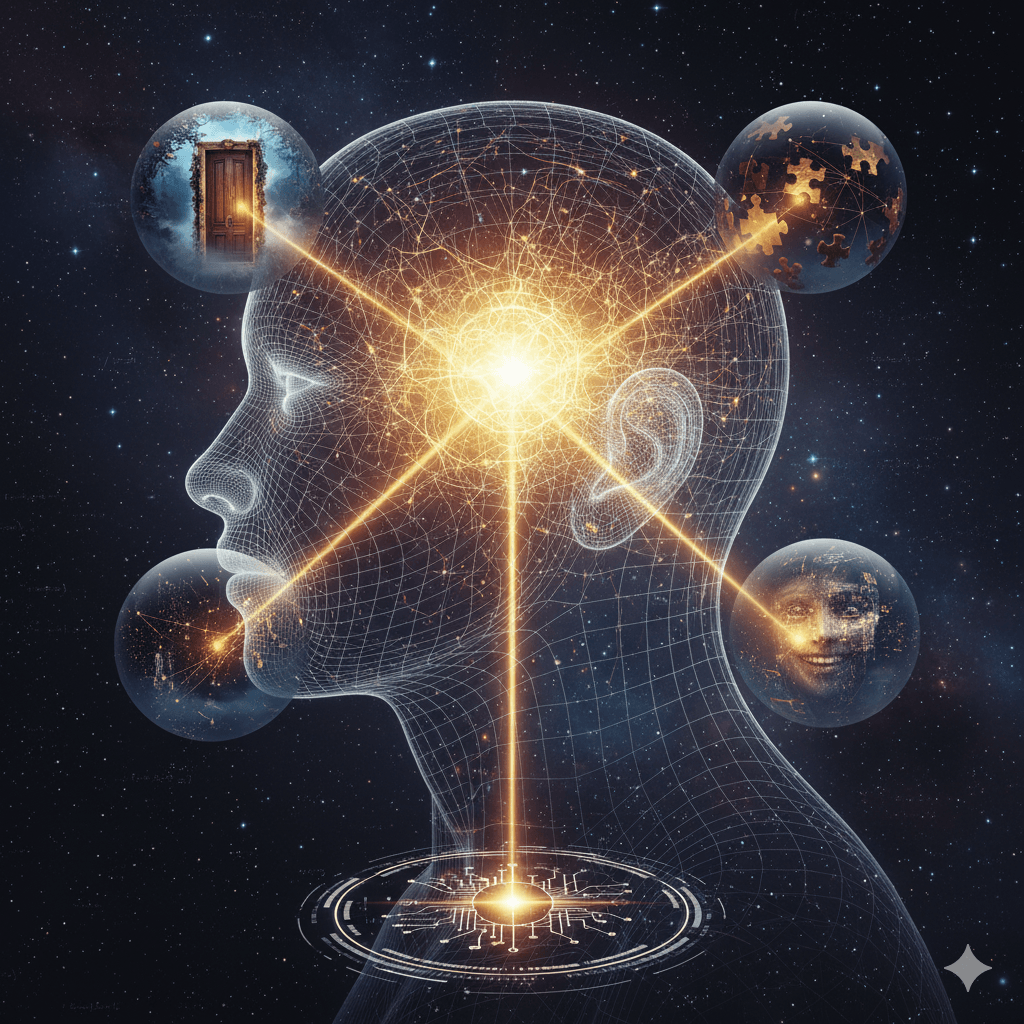
Since childhood, we’ve felt a strange pull toward closed doors, unfinished stories, and faces that don’t reveal everything. Mystery doesn’t just frighten us—it enchants us and awakens our curiosity. But what makes mystery so attractive? And what does psychology say about our fascination with the unknown?
The Mind Loves to Complete What’s Missing
Cognitive psychology tells us that the brain is wired to seek patterns and fill gaps.
When we encounter something mysterious or incomplete, our curiosity is triggered by a cognitive gap we want to close.
This is known as the “need for cognitive closure,” which explains why puzzles and mysteries feel so engaging and rewarding.
Mystery Activates the Brain’s Reward System
Recent studies show that exploring the unknown activates reward centers in the brain, such as the nucleus accumbens.
Solving a mystery or uncovering a secret is linked to neural pleasure and satisfaction. Mystery doesn’t just stimulate thought—it gives us a rush when we find the answer.
Mystery Invites Imagination
Clear things close the door to possibility, while mysterious ones open space for interpretation and imagination. A mysterious person or idea doesn’t present itself fully—it invites us to participate in shaping it mentally. That’s part of its charm.
Mystery as Identity
In social psychology, mystery is sometimes used as a tool to build a compelling identity. People who keep part of themselves hidden are often seen as deeper or more intriguing, because they create space for wonder and anticipation.
Conclusion
Mystery isn’t just a surface—it’s an invitation to reflect, imagine, and discover. When we’re drawn to what we don’t understand, we’re not just seeking answers—we’re seeking to expand the boundaries of our perception. And perhaps, in that attraction, lies the essence of a mind that longs for meaning.
Written and Contemplated by: Jassim Al-Saffar
Digital Signature: Ja16im
A contemplative artist and philosophical author exploring the symbolism of perception and meaning through digital art, bilingual books, and reflective scientific essays.
- Limits of Human Cognition: Why Truth May Be Beyond the Mind
- Limits of Human Cognition: Cognitive Closure and Hidden Reality
- The Event Horizon of the Mind: What the Brain Cannot Imagine
- Beyond Earth: Can Humanity Become an Interstellar Species?
- The Final Sunset: What Happens to Humanity When the Sun Dies?
