
Sleep: From Event to Wisdom (The Inner Engineer)
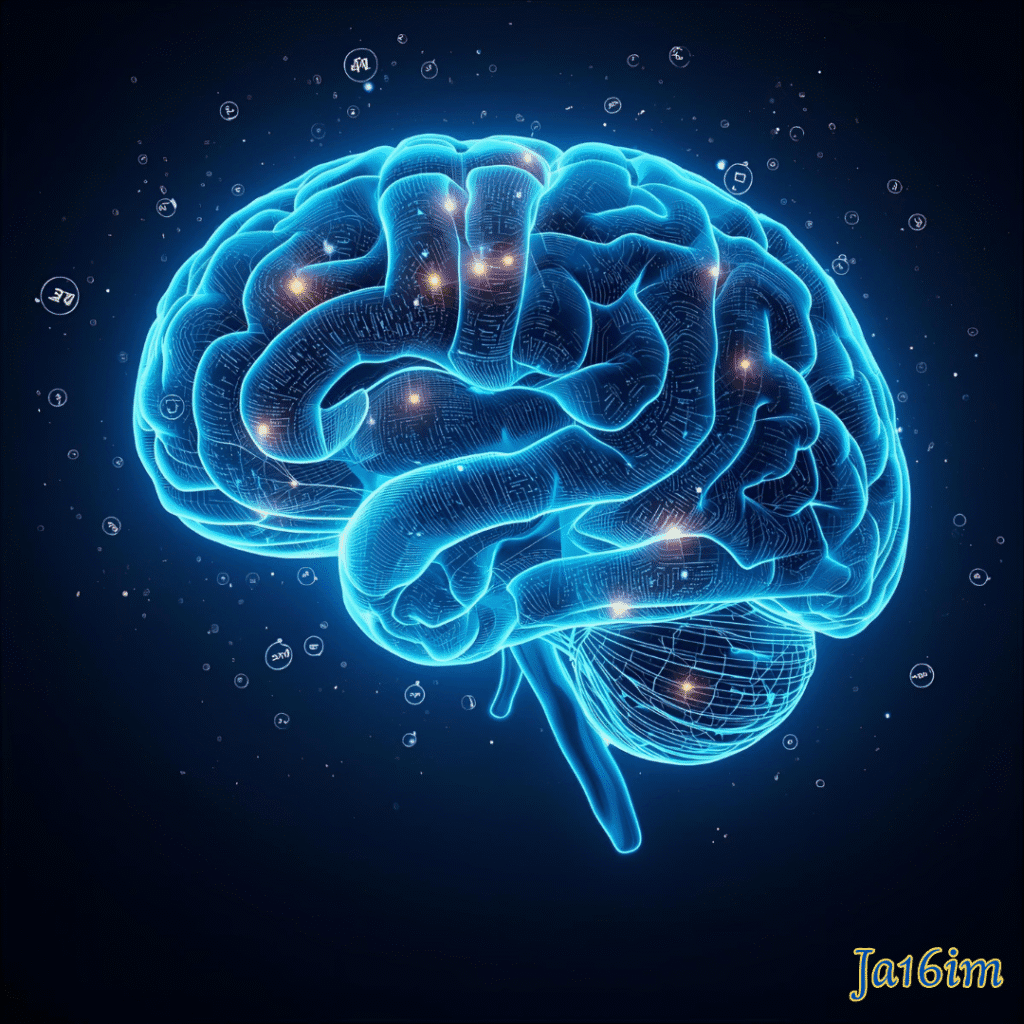
We often regard sleep as a passive state of rest, but the human mind, in reality, never sleeps. As soon as the external world shuts down, the brain shifts into its highest level of internal and organizational activity.
Sleep is not merely a time to recharge; it is an internal “maintenance laboratory” where the information
The mind received during wakefulness is sorted—determining what should be kept as meaning
And what should be discarded as noise. The way the brain processes information overnight dictates our capacity for learning, innovation, and, most importantly, psychological recovery.
The mind sleeps so memory can awaken; it is the time when an event is transformed into wisdom.
🔬 The Dual Processing System: NREM vs. REM
The brain processes information across two primary sleep stages
Each with a specific function in the architecture of memory and meaning:
- NREM (Non-Rapid Eye Movement) Deep Sleep: This is the phase of heavy maintenance and consolidation. During this stage, a phenomenon called **“Sharp-Wave Ripples”** occurs. These ripples act as powerful signals that transfer temporarily stored information from the **Hippocampus** to the **Cortex**, the brain’s permanent archive. This transfer is essential for consolidating facts and information, and for turning new skills into long-term muscle memory.
- REM (Rapid Eye Movement) Sleep: This is the phase of dreams and creativity. During REM, levels of stress hormones (like norepinephrine) drop significantly. This allows the brain to review emotionally charged memories without the strong emotional sensation that was originally attached to them. This process is crucial for **”emotional unbinding”** from traumatic events, achieving psychological recovery, and opening the door for **new, unexpected neural connections**—explaining the role of dreams in creativity and problem-solving.
✨ Transforming Experience into Meaning and Wisdom
The brain’s nocturnal work is not limited to sorting and filing; it extends to the very creation of meaning:
- Organized Forgetting: Forgetting is a vital process for cognition. The brain processes information during sleep to decide what is “raw material” and what is “final meaning.” This allows it to prune unnecessary details from neural circuits, freeing up space to focus on the essential patterns and wisdom distilled from experience.
- Integration and Interconnection: The brain links new and old memories, creating bridges between different perceptions. This interconnection is the basis for context and depth, which gives life meaning. Individual memories are transformed into a unified tapestry of knowledge.
- From Memory to Wisdom: The pain we experience while awake is “cleaned” of its emotional charge during REM, while the “lesson” learned is retained (NREM). This process transforms a painful experience from a constraint into wisdom, and from a stress-inducing memory into a compass for growth.
In conclusion, sleep is the core work of consciousness, where the self is engineered from within. The quality of our wakefulness and our wisdom in dealing with life are directly linked to the quality of our sleep. At night, we do not just rest; we actively rebuild ourselves for a new day, armed with an organized memory, liberated from the burden of superficial emotion, and capable of embracing meaning and novelty.
Remember: Meaning is the journey itself, not the destination. And the meaning we create is what immortalizes us.
Writing and Contemplation: Jassim Alsaffar
Digital Identity: Ja16im
A contemplative artist and philosophical writer exploring the symbolism of perception and meaning through digital art, bilingual books, and contemplative scientific articles.
- Limits of Human Cognition: Why Truth May Be Beyond the Mind
- Limits of Human Cognition: Cognitive Closure and Hidden Reality
- The Event Horizon of the Mind: What the Brain Cannot Imagine
- Beyond Earth: Can Humanity Become an Interstellar Species?
- The Final Sunset: What Happens to Humanity When the Sun Dies?
