
Collective Consciousness: Silent Human Connection
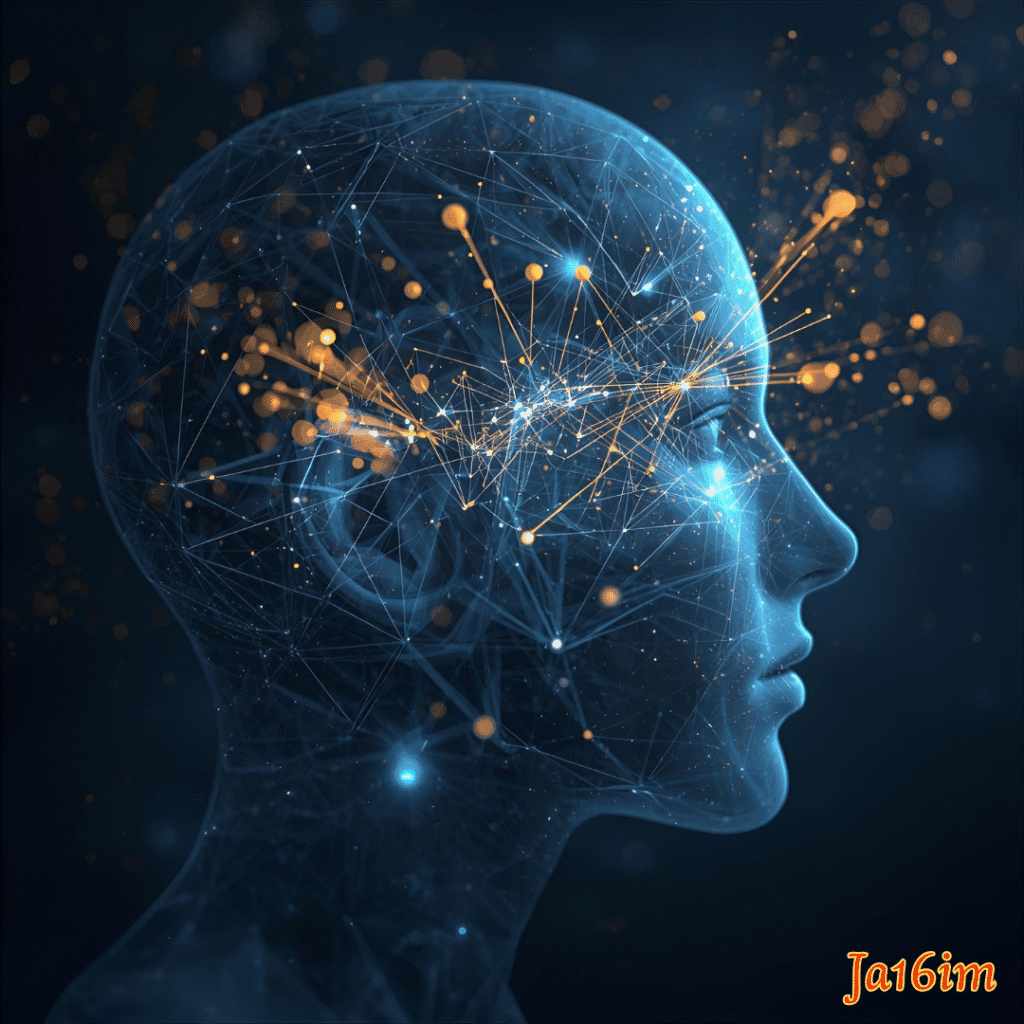
We spend most of our lives relying on language to communicate and influence, forgetting that the deepest and most immediate effects often happen in silence. “Collective consciousness”—whether in a social sense (like the mood of a crowd) or a psychological sense (like Jung’s collective unconscious)—shows that humans share a field of perception and emotion beyond individual boundaries. Non-verbal influence is the original language confirming that we are interconnected beings, and your emotions are not yours alone but part of a collective environment that affects and is affected by others.
We are not isolated islands; we are waves resonating in the same conscious ocean.
Neuroscience: Mirror Neurons and Emotional Transmission
Neuroscience provides strong biological evidence of immediate human connection, even without words:
- Mirror Neurons: These neurons form the biological basis for empathy and imitation. They activate in your brain when you perform an action, and also when you observe someone else performing the same action. This allows us to internally “experience” others’ actions instantly, creating a kind of silent mental simulation.
- Emotional Contagion: A psychological phenomenon explaining how moods transfer between people. If someone enters a calm room with tension, others unconsciously absorb it via non-verbal cues (tone of voice, body language, expression). This is the fastest form of collective awareness.
- Neural Synchronization: Studies show that brain activity of people watching a movie or listening to a story together tends to synchronize, processing experience collectively and creating temporary unified awareness.
Philosophy and Psychoanalysis: The Human Field
At a deeper level, philosophy and psychoanalysis explore connection as an existential reality:
- Collective Unconscious: Carl Jung emphasized that the unconscious is not just personal; there is a deeper layer shared among all humans. This layer, containing archetypes, explains how we understand deep symbols and stories across distant cultures. Non-verbal influence here is an exchange of existential symbols.
- Energy Resonance & Vibration: Some philosophical and physical theories suggest consciousness acts as an energy field. Humans influence one another not by words but through the vibrational frequency they emit. A group’s collective emotion—anger, joy, or calm—affects individuals even without knowing why.
- Silent Ethical Responsibility: Recognizing that we affect the collective field even in silence imposes a profound ethical responsibility. Our actions and internal emotions are not private—they are part of the shared existential environment we contribute to.
In conclusion
collective consciousness is not a vague idea; it is a biological and psychological reality showing that human connection goes far beyond language or social contracts.
True power lies in understanding this silent language and using it consciously
Becoming a source of empathy and positive energy in the shared human field.
You are never alone in your awareness; you are always part of a silent collective symphony.
Remember: meaning is the journey itself, not the destination. What we create in meaning is what endures.
Written & Reflected by: Jassim AlSaffar
Digital Identity: Ja16im
Contemplative artist and philosophical writer exploring symbolism, consciousness, and meaning through digital art, bilingual books, and reflective scientific articles.
- Limits of Human Cognition: Why Truth May Be Beyond the Mind
- Limits of Human Cognition: Cognitive Closure and Hidden Reality
- The Event Horizon of the Mind: What the Brain Cannot Imagine
- Beyond Earth: Can Humanity Become an Interstellar Species?
- The Final Sunset: What Happens to Humanity When the Sun Dies?
